One of the most common questions people ask before installing a boiling water tap is how much it costs to run. While these taps offer excellent convenience, it is natural to wonder whether keeping a tank of near-boiling water ready all day will increase energy bills.
The good news is that most modern boiling water taps are designed to be energy efficient. Thanks to insulated tanks and smart heating systems, the ongoing running costs are usually quite low.
How Boiling Water Taps Use Energy
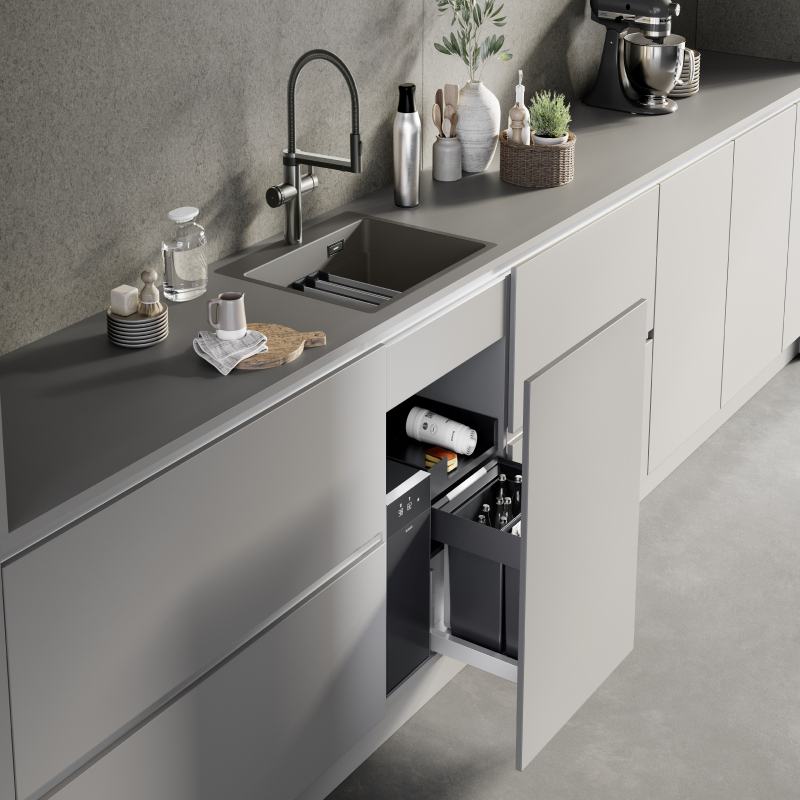
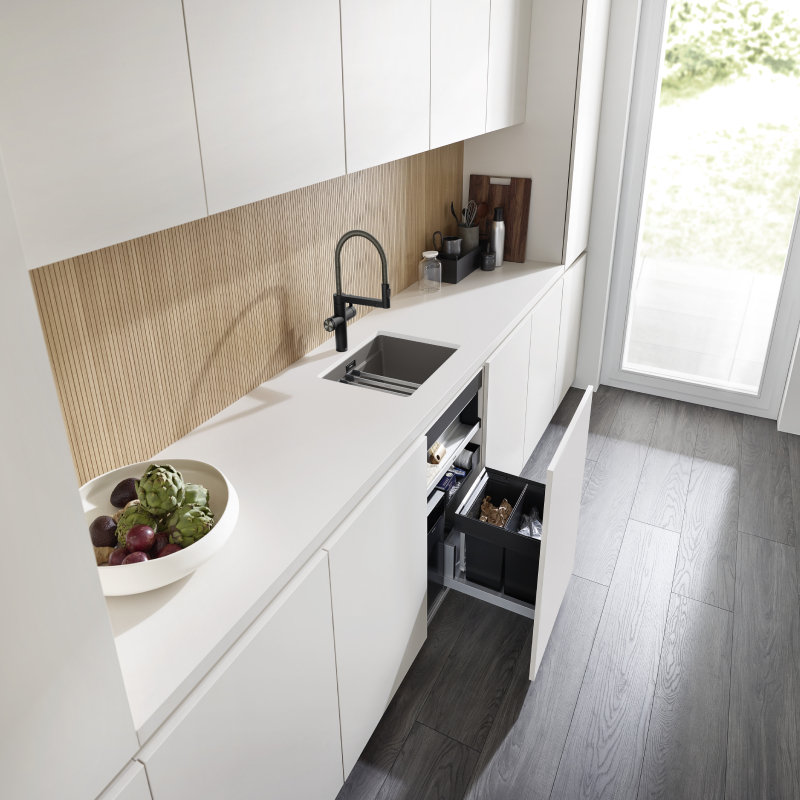
Boiling water taps work using a small insulated tank installed under your sink. This tank heats water to approximately 98–100°C and stores it until it is needed.
Because the tank is heavily insulated, it does not need to continuously heat water. Instead, it only reheats small amounts when water is dispensed, which keeps energy consumption relatively low.
This means the system is not constantly boiling water throughout the day. Instead, it maintains temperature efficiently with minimal electricity usage.
Typical Electricity Costs
The exact running cost will vary depending on the model and how often you use it, but most boiling water taps cost roughly £20 to £40 per year in electricity.
This estimate assumes normal household usage and a modern insulated boiler tank. Some premium systems may include energy-saving modes that reduce power consumption even further.
In many cases, the cost difference compared with using a kettle regularly is fairly small.
Filter Replacement Costs
Many boiling water taps include a filtration system that improves water quality by removing impurities and reducing limescale. These filters usually need replacing periodically.
Typical filter replacement costs are:
- Between £40 and £90 per filter depending on the system
- Usually replaced every 6 to 12 months
Filters help protect the boiler tank from limescale buildup and maintain the taste of the water, making them an important part of the system.
Maintenance And Servicing
Most boiling water tap systems require very little maintenance beyond replacing filters. However, like any kitchen appliance, they may occasionally need servicing over time.
Typical maintenance considerations include:
- Replacing filters when required
- Checking the tank and connections during kitchen servicing
- Descaling in hard water areas if recommended by the manufacturer
Overall maintenance costs are generally low and comparable to other kitchen appliances.
Do Boiling Water Taps Save Money?
Boiling water taps are not usually purchased purely to save money. Instead, they are valued for their convenience, speed and kitchen design benefits.
However, they can be efficient because they heat only the water you use rather than repeatedly boiling a full kettle.
In many households, the running cost difference between a boiling water tap and a kettle is relatively small.
Comparing Running Costs With A Kettle
A kettle typically uses between 2 and 3 kW of power when boiling water. If used frequently throughout the day, the total electricity consumption can add up.
Boiling water taps, by comparison, maintain a small volume of heated water ready for use. This can sometimes lead to similar or slightly lower overall energy use depending on household habits.
The key difference is convenience: boiling water taps provide instant hot water without waiting for a kettle to boil.
How To Keep Running Costs Low
If you want to minimise running costs, there are a few simple things you can do:
- Choose an energy-efficient model with a well insulated tank
- Use the tap regularly so the stored hot water is used efficiently
- Replace filters on schedule to keep the system working efficiently
- Follow manufacturer guidance for maintenance
With proper use, a boiling water tap can remain an efficient and practical addition to your kitchen.
Final Thoughts
Boiling water taps generally have low running costs compared with the convenience they provide. Electricity use is modest thanks to insulated tanks, and the main ongoing expense is typically filter replacement.
For many households, the ability to access boiling water instantly, save time in the kitchen and reduce clutter makes the small running cost worthwhile.